


Boiler Grate News
boiler grate
Refine Search
Working Principle of Cast Iron Finned Economizer

- By Alex Hu
- 08/08/2026
- 0 comments
Counter-flow Heat Exchange Logic It adopts a counter-flow heat exchange structure and is installed in the flue at the boiler tail. High-temperature flue gas flows downward to scour the outer fins, while low-temperature boiler feedwater flows upward inside cast iron tubes. Opposite flow direction maintains the maximum temperature difference for stable heat transfer. Internal Water Circulation Process Cold softened feedwater enters the bottom flange header, then flows upward layer by layer through integrally cast curved elbows of each finned tube. Heat transfers continuously from cast iron wa..
Introduction to Cast Iron Finned Economizer Tubes

- By Alex Hu
- 08/08/2026
- 0 comments
1. Product Definition & Structure This equipment is a modular cast iron finned economizer, assembled by multiple independently cast curved finned economizer tubes into an integrated heat exchange box. It is an energy-saving tail heat exchange device specially for coal-fired & biomass chain / reciprocating industrial boilers. Single unit: The second picture displays a single cast iron finned economizer tube, integrally cast with dense radiating fins to expand flue gas heat exchange area. Curved connecting elbows on both ends enable multiple tubes to form a complete water circuit in se..
Detailed Performance of Silicon-5 Heat-Resistant Cast Iron (RTSi5) Grate Bars Under High-Temperature Conditions
-1140x380.png "Detailed Performance of Silicon-5 Heat-Resistant Cast Iron (RTSi5) Grate Bars Under High-Temperature Conditions")
- By Alex Hu
- 01/08/2026
- 0 comments
1. Basic Material Parameters Grade: RTSi5, national standard heat-resistant cast iron; silicon content ranges from 4.5% to 5.5%, with ferrite as the main matrix structure. Designed long-term safe operating temperature: 750℃ ~ 850℃; short-term peak temperature tolerance: within 880℃. 2. Comprehensive Performance Within the Optimal Temperature Range (750–850℃, Conventional Boiler Operating Conditions) This is its peak service condition: (1) High-Temperature Oxidation Resistance (Primary Core Advantage) A dense, intact silicon dioxide (SiO₂) protective film automatically forms on the heated..
What is the applicable moisture range of fuels for biomass reciprocating grates?
- By Alex Hu
- 01/08/2026
- 0 comments
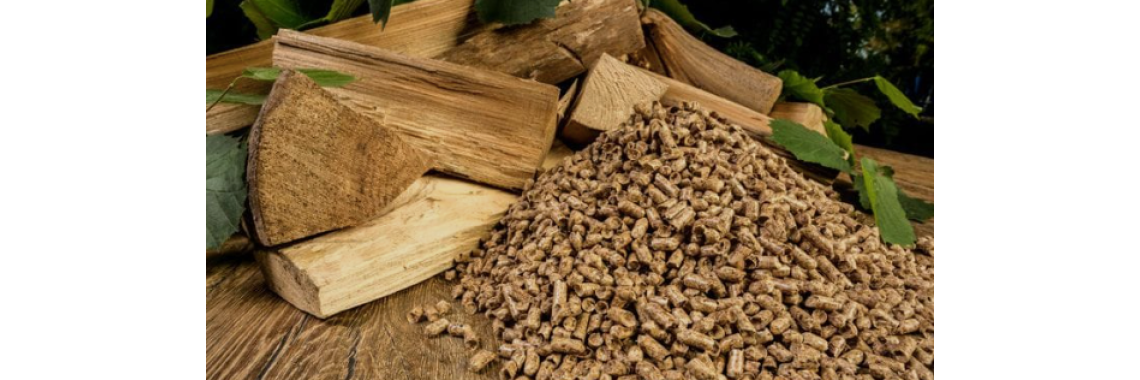
1. Optimal High-Efficiency Moisture Range Loose conventional biomass fuels (wood chips, chopped straw, etc.): as-received moisture content 15%~25%. This range balances drying rate, stable combustion performance and thermal efficiency, and perfectly matches the structural design of the pre-drying zone of reciprocating grates. Molded biomass pellet fuels: as-received moisture content ≤15% (ideal range: 8%~15%), delivering the most stable combustion and maximum thermal efficiency. 2. Maximum Allowable Limit (Extreme Adaptation Range) Reciprocating grates equipped with optimized drying zo..
Reciprocating Biomass Grates: Core Differences Between S-Type, Wide Flat & T-Type Grate Bars

- By Alex Hu
- 01/08/2026
- 0 comments
These three most widely used reciprocating grate bars differ entirely in interlocking profile structure, air throughput, ash leakage performance, fuel stirring & pushing effect, and applicable fuels. Detailed breakdowns and selection guidelines are listed below for your presentation to overseas customers. 1. S-Type Grate Bars Structural Features Curved S-shaped surfaces on both sides interlock with adjacent pieces. When movable and fixed grate bars slide alternately, the overlapping surfaces form a continuous labyrinth seal. Advantages The lowest material leakage rate; ideal for f..
Classification of Commonly Used Boiler Doors Matched with Boiler Grates
- By Alex Hu
- 01/08/2026
- 0 comments
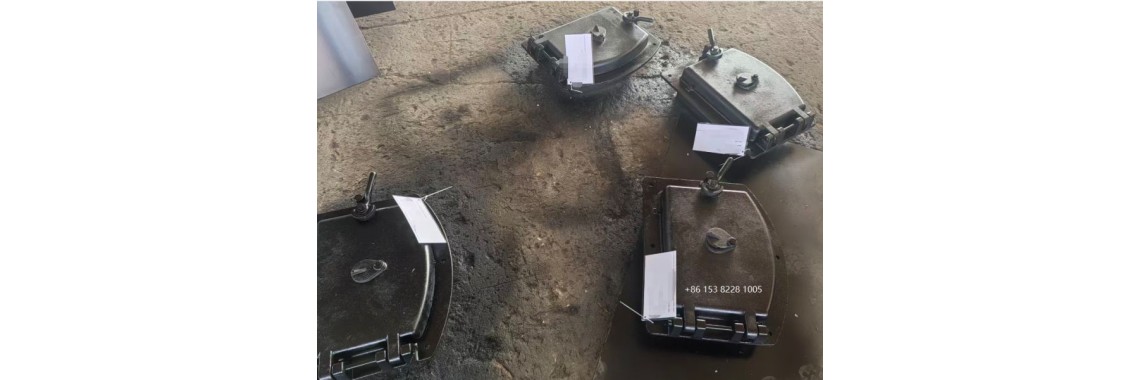
I. Overall Classification Overview Standard supporting doors for biomass chain grates and reciprocating grates are mainly divided into five categories: manhole doors, fire observation doors, ash cleaning doors, fuel charging doors and explosion relief doors. Fire observation doors, ash cleaning doors and manhole doors are the most frequently purchased items by field engineers. Standard Materials Grey cast iron HT200, heat-resistant ductile cast iron for general service conditions; RTCr series heat-resistant cast iron is adopted for high-temperature working environments. 1. Fire Observa..
How to Choose Between Travelling Chain Grate and Reciprocating Grate Based on Fuel Characteristics
- By Alex Hu
- 01/08/2026
- 0 comments
Fuels Prioritized for Travelling Chain Grate (Chain Belt Grate) Applicable Features Uniform particle size, low moisture content, stable calorific value, low caking tendency Coal Fuels Class II high-quality bituminous coal; particle size: 6~50 mm; as-received moisture (Mar) < 20%; ash fusion temperature > 1200℃; weakly caking coal. Unsuitable fuels: strongly caking coal, high-ash inferior coal, lignite (excessively high moisture), raw coal with excessive pulverized coal. Biomass Fuels (Molded) Biomass pellets, briquettes, regularly sized wood chips (uniform particle size, moisture co..