


What is the applicable moisture range of fuels for biomass reciprocating grates?
By Alex Hu - 01/08/2026 - 0 comments
1. Optimal High-Efficiency Moisture Range
Loose conventional biomass fuels (wood chips, chopped straw, etc.): as-received moisture content 15%~25%.
This range balances drying rate, stable combustion performance and thermal efficiency, and perfectly matches the structural design of the pre-drying zone of reciprocating grates.
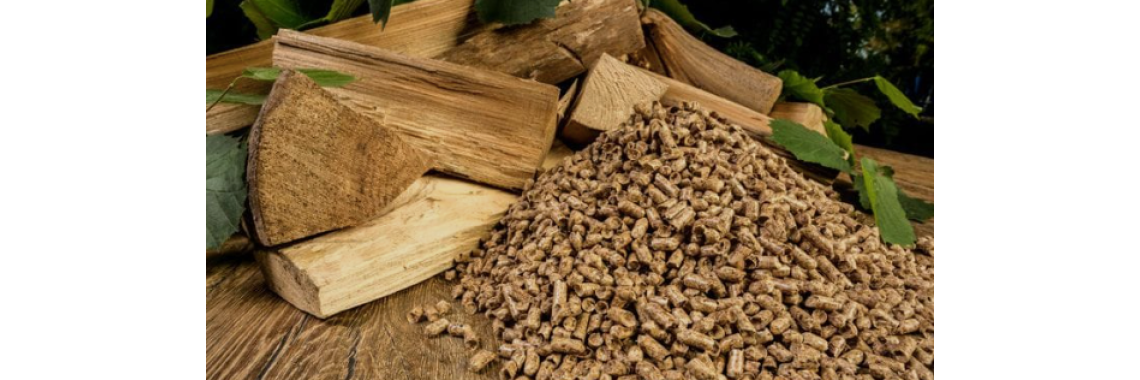
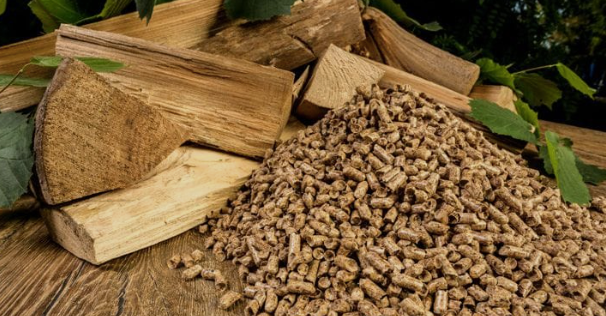
Molded biomass pellet fuels: as-received moisture content ≤15% (ideal range: 8%~15%), delivering the most stable combustion and maximum thermal efficiency.
2. Maximum Allowable Limit (Extreme Adaptation Range)
Reciprocating grates equipped with optimized drying zones can temporarily burn high-moisture agricultural and forestry residues (bark, wet sawdust, etc.) with moisture content up to 40%.
However, this will drastically reduce thermal efficiency, raise flue gas heat loss and lower furnace temperature; continuous full-load operation under this condition is prohibited.
If fuel moisture remains above 40% for a long time:
Difficult ignition, excessively low furnace temperature, smoldering combustion, severe slagging and aggravated grate corrosion will occur, making normal boiler operation impossible.
Excessively low moisture (below 8%):
Fuels burn too rapidly, leading to flame run-through and local overheating that burns out grate bars; proper regulation is also required in this case.
3. Brief Summary
Stable regular operation: Loose biomass 15%~25%; biomass pellets 8%~15%
Temporary extreme limit: Approximately 40% maximum (long-term application is not recommended)