


Classification, Performance and Applications of Mainstream Grate Plate Materials
By Alex Hu - 31/07/2026 - 0 comments
Classification, Performance and Applications of Mainstream Grate Plate Materials
Core requirements for grate plates: high-temperature resistance, thermal shock resistance, wear resistance, oxidation resistance and resistance to ash and slag corrosion. Listed below in order of most common use in industrial boilers:
I. Standard cast iron types (the preferred choice for small-scale, low-temperature, atmospheric-pressure coal-fired boilers; offering the best value for money)
1. Grey cast iron (HT150/HT200)
Characteristics: Lowest cost, simple casting, good thermal conductivity, self-lubricating and wear-resistant; highly brittle, poor heat resistance
Long-term operating temperature: ≤650–700 °C
Disadvantages: Extremely prone to oxidation and flaking at temperatures exceeding 700 °C; prone to thermal shock cracking when exposed to cold water; short service life
Suitable for: Domestic heating stoves, small 1–4 t chain-grate boilers, low-temperature biomass boilers, passive grate bars (non-load-bearing areas)
2. Malleable cast iron (KTH350)
Characteristics: Significantly greater toughness than grey cast iron; less prone to brittle fracture; resistant to minor impacts
Applications: Drive grate bars for chain-fired boilers (areas subject to load transmission and reciprocating friction from pins); standard specification for older, small-capacity boilers
3. Ductile cast iron (QT450/QT500)
With spheroidal graphite, it offers superior strength, toughness and resistance to thermal fatigue compared to grey cast iron, whilst providing a slight improvement in heat resistance
Applications: Medium-load reciprocating grates, biomass combustion furnaces; positioned between ordinary cast iron and heat-resistant cast iron
II. Alloyed Heat-Resistant Cast Iron (The most widely used mainstream material for industrial coal-fired and biomass boilers)
1. High-silicon heat-resistant cast iron (RTSi5, commonly known as ‘Silicon 5’) [Most widely used on the market]
GB grade: RTSi5 (silicon content 4.5%–5.5%)
Advantages: Forms a dense protective layer of silicon dioxide on the surface at high temperatures, providing excellent resistance to oxidation; moderately priced
Long-term operating temperature: 750–850 °C
Applications: Chain grate boilers, reciprocating grate boilers, biomass boilers, and most industrial coal-fired boilers; Standard material for straight grates, four-claw grates and fish-scale grates
2. Chromium-based heat-resistant cast iron (RTCr1, RTCr2, RTCr16)
RTCr1/RTCr2: Low-chromium cast iron, with heat resistance slightly superior to Silicon 5 and better resistance to sulphur corrosion; suitable for burning high-sulphur coal
RTCr16 (high-chromium heat-resistant cast iron): 15%–18% chromium, withstands temperatures above 900°C, and offers outstanding resistance to oxidation and corrosion
Suitable for: high-temperature combustion zones, waste incinerators, secondary grates in circulating fluidised bed boilers, and applications involving the combustion of low-quality, high-sulphur fuels
3. Aluminium-based heat-resistant cast iron (RTAl)
Excellent high-temperature resistance, but highly brittle and difficult to cast; mainly used in small high-temperature furnaces, with limited widespread adoption
III. Cast Steel Grades (Heavy-duty, high-temperature, frequent reciprocating motion applications)
1. Ordinary carbon cast steel (ZG230–450)
Excellent toughness, impact resistance and fracture resistance; average wear resistance; prone to oxidation and deformation at high temperatures
Suitable for: moving bars in reciprocating grates, heavy-duty beam grates, and waste incineration agitating grates (requiring repeated pushing and pulling forces)
2. Heat-resistant alloy cast steel (high-chromium cast steel, 1Cr18Ni9 stainless steel cast steel)
Withstands high temperatures of 950–1100 °C; offers resistance to acids and alkalis, flue gas corrosion, and possesses the highest resistance to wear and slag pull-out
Disadvantages: Most expensive
Applications: Municipal solid waste incinerators, hazardous waste incinerators, and grate plates for large-scale high-temperature power station boilers
IV. Niche Specialised Materials
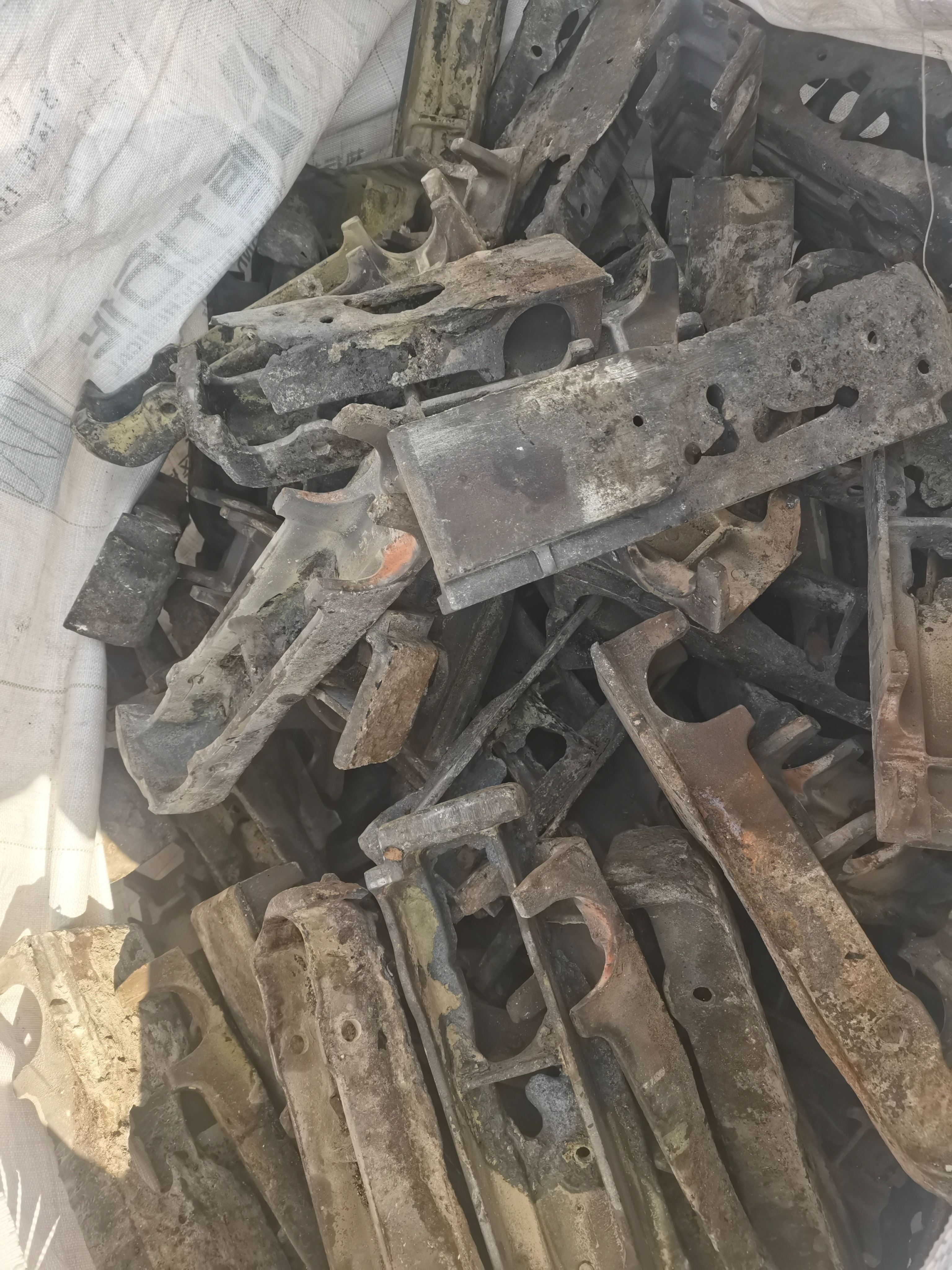
High-chromium white cast iron: Emphasises wear resistance; moderate high-temperature resistance; commonly used for wear-resistant protective plates on the sides of grates
Vermicular graphite cast iron: Balances thermal conductivity and strength; rarely used for the main body of grates