


Introduction to Cast Iron Finned Economizer Tubes

By Alex Hu - 08/08/2026 - 0 comments
1. Product Definition & Structure
This equipment is a modular cast iron finned economizer, assembled by multiple independently cast curved finned economizer tubes into an integrated heat exchange box. It is an energy-saving tail heat exchange device specially for coal-fired & biomass chain / reciprocating industrial boilers.
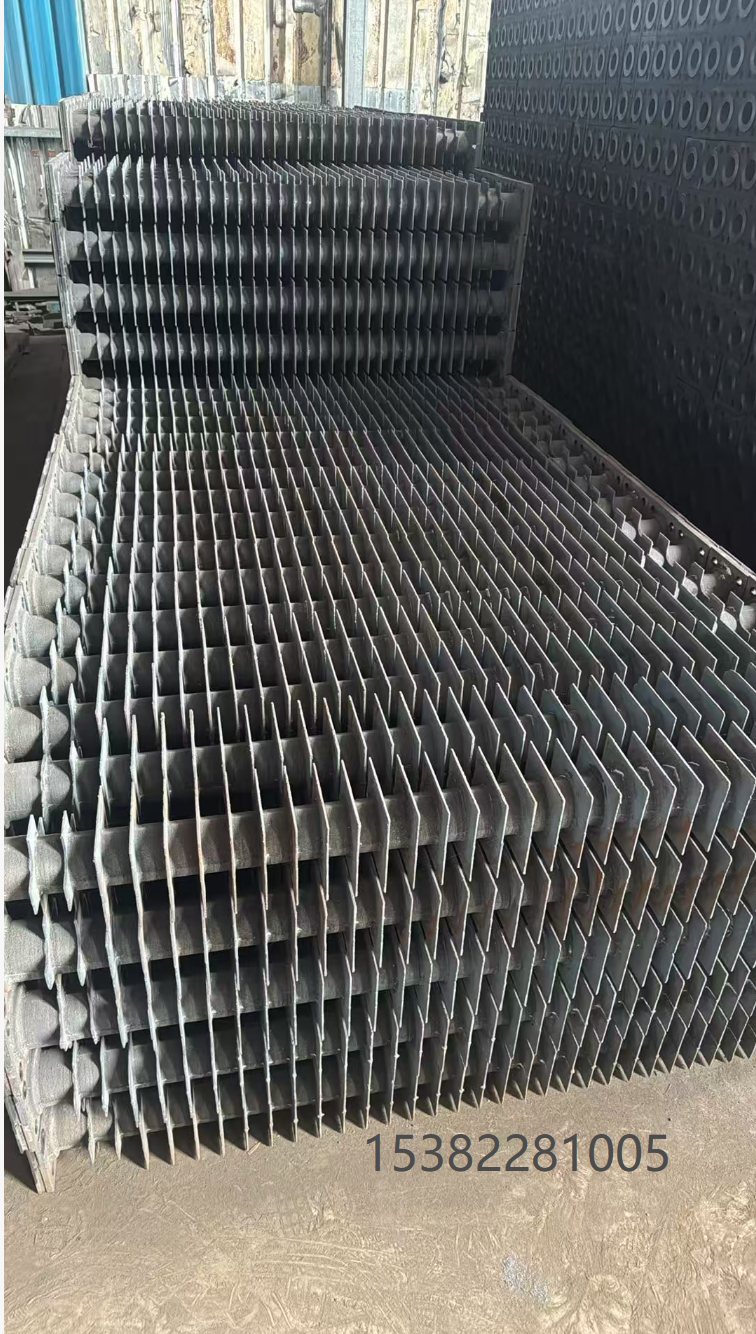
Single unit: The second picture displays a single cast iron finned economizer tube, integrally cast with dense radiating fins to expand flue gas heat exchange area. Curved connecting elbows on both ends enable multiple tubes to form a complete water circuit in series.
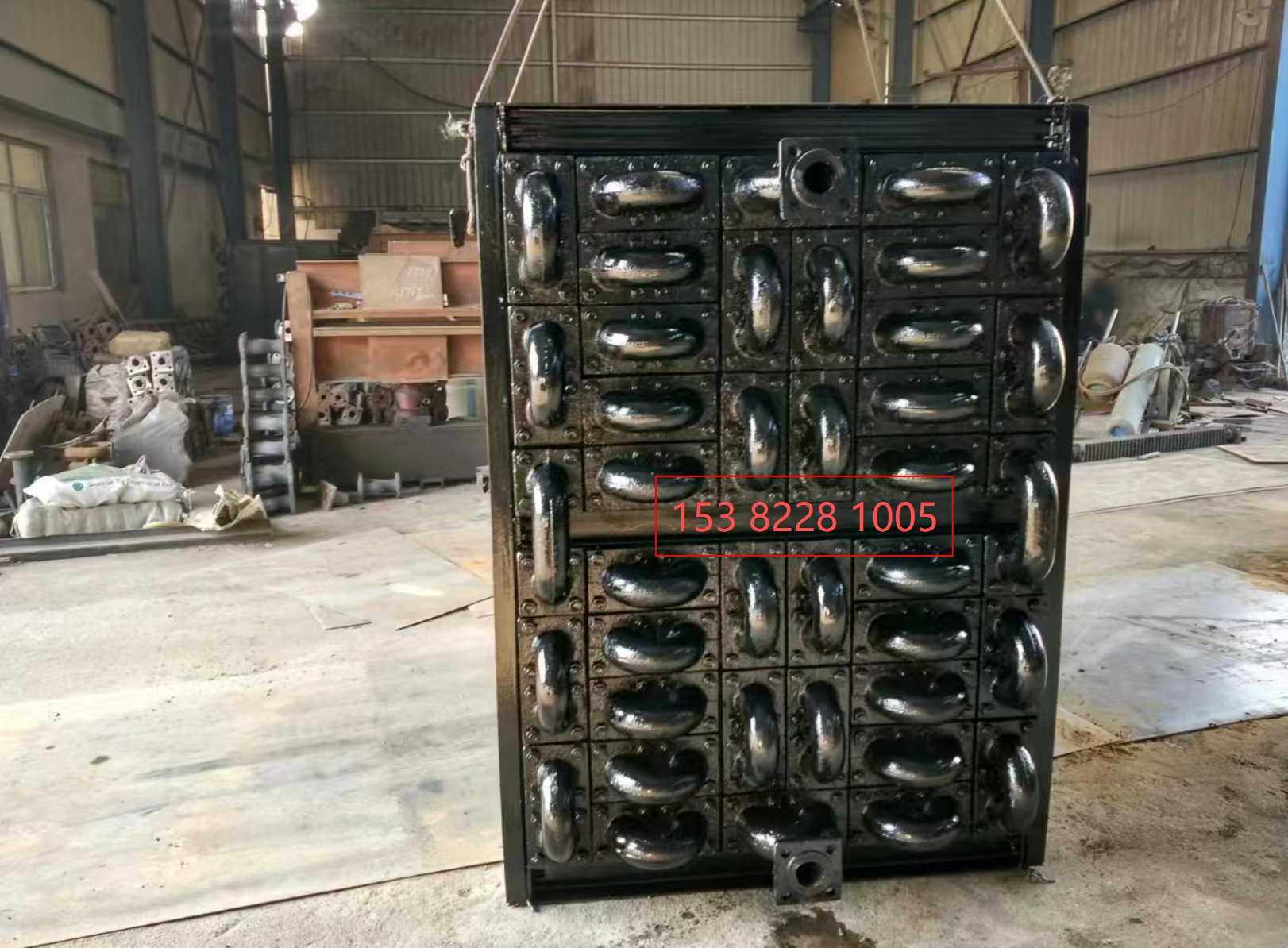
Integrated assembly: The first picture shows the finished product. Inlet & outlet flanged headers are installed at top and bottom. Single finned tubes are connected vertically in series and arranged horizontally side by side to form standard heat exchange modules, whose quantity can be adjusted according to boiler tonnage.
Water circulation: Low-temperature feedwater enters from the bottom flange, flows upward through each cast iron finned tube layer by layer, fully absorbs waste heat from flue gas, and flows out from the top flange to the steam drum. High-temperature flue gas scours the outer wall of fins horizontally for heat transfer.
2. Main Material & Performance Advantages
Material: RTSi5 silicon heat-resistant cast iron / HT200 gray cast iron
Outstanding wear resistance against erosion
Cast iron base features high hardness, 3 times more resistant to fly ash, wood dust and straw debris abrasion than 20G steel tubes. It rarely suffers penetration leakage in high-dust biomass boilers and greatly reduces maintenance frequency.
Resistance to low-temperature acid dew point corrosion
A protective silicon dioxide film forms automatically on the cast iron surface under high temperature, resisting dilute sulfuric acid corrosion generated by sulfur in fuels. It serves well for boilers burning high-sulfur coal & wet biomass under exhaust temperature 130~180℃, with much longer service life than ordinary carbon steel tubes.
Integral casting without welding seams, zero leakage risk
Fins and curved elbows are cast in one piece, eliminating common leakage issues caused by cracked welding seams on steel tube economizers. Stable working pressure ≤1.6MPa, compatible with most low-pressure industrial boilers.
Self-cleaning fin structure to avoid ash blockage
Wide-spaced fins reduce flue gas flow resistance, preventing adhesion and accumulation of wood dust & coal ash. Ash can be cleaned quickly via soot blowers without sharp heat efficiency drop.
Excellent cost performance
Lower overall cost than ND steel & alloy steel tube economizers. Damaged single pieces can be replaced separately without integral disassembly, cutting long-term maintenance costs.
3. Core Energy-saving Functions
Recover waste heat from 220~400℃ tail flue gas to preheat boiler feedwater. Every 5℃ reduction of exhaust temperature raises boiler thermal efficiency by about 1%, cutting coal/biomass fuel consumption by 8%~15%.
Narrow furnace temperature difference to mitigate thermal shock on water walls and steam drums, extending service life of the whole boiler.
Stabilize furnace combustion temperature for full burning of wet biomass fuels and lower incomplete combustion heat loss.
4. Applicable Working Conditions
Boiler types: 1~10t/h chain grate boilers, biomass reciprocating grate boilers, small coal-fired hot water / steam boilers
Fuels: Wood chips, straw, rice husk, palm kernel shell, Class II bituminous coal, high-ash inferior coal, high-sulfur fuels
Inapplicable scenarios: Medium & high-pressure power station boilers over 1.6MPa, gas condensing boilers (limited pressure bearing capacity)
5. Comparison with Steel Tube Economizers
Advantages
Superior wear & anti-corrosion performance; service life 2~3 times longer than steel tubes for biomass / high-ash coal boilers
No welding seams to prevent penetration leakage
Fins resist ash clogging, highly compatible with high-dust fuels
Modular single-piece design for easy partial replacement and simple overhaul
Disadvantages
Lower thermal conductivity than 20G seamless steel tubes; larger installation space required for same heat exchange capacity
Brittle material; forbid sharp temperature rise/drop during boiler startup & shutdown
Maximum working pressure limited to 1.6MPa, unavailable for high-pressure boilers
6. Specification Selection Guide
Standard single heat exchange unit: Uniform curved cast finned piece; complete sets of 30/60/80/100 pieces available matching different boiler tonnages
Installation: Vertically hoisted at boiler tail flue, standard universal inlet & outlet flanges directly connected with boiler feedwater pipelines
Customization: Height & tube quantity can be customized according to on-site flue size for non-standard small boilers
Tags: Economizer Tubes